Bangalore - Vijayanagara
Yeshwanthpur
MEI Layout
Kolar - Kolar
Hubballi
PAN India Service
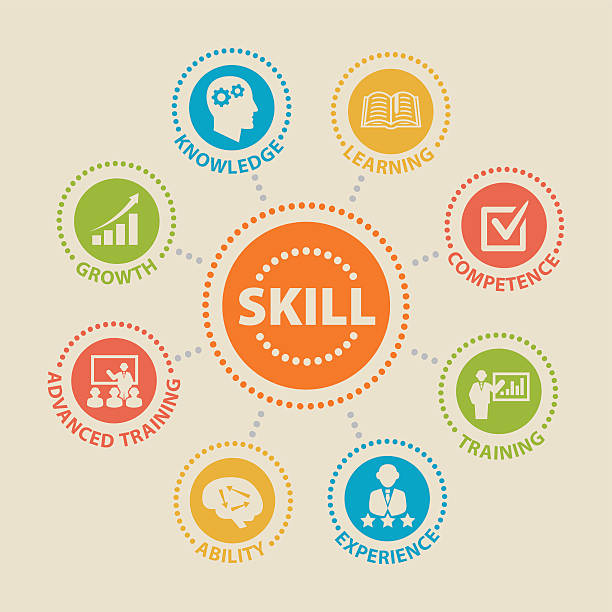
India stands at a unique demographic crossroads, with over 50% of its population under the age of 25. To transform this vast human potential into a powerful economic asset, a focused and strategic approach to skill development has become a national priority. The core objective is to equip the youth with industry-relevant skills, enhancing their employability and fostering entrepreneurial spirit.
The Pillars of India's Skill Ecosystem
The skill development landscape in India is structured around a multi-pronged approach:
National Skill Development Mission (NSDM): Launched in 2015, this is the overarching mission that consolidates skilling initiatives across the country. It aims to create a convergence between various sectors and states, ensuring a standardized and outcome-driven framework.
Key Agencies:
Ministry of Skill Development and Entrepreneurship (MSDE): The nodal agency responsible for coordinating all skill development efforts across India.
National Skill Development Corporation (NSDC): A unique public-private partnership that funds and promotes scalable vocational training initiatives.
Directorate General of Training (DGT): Manages the long-standing Industrial Training Institutes (ITIs) and apprenticeship training.
Standardization through Skill India:
National Skill Qualification Framework (NSQF): This framework organizes qualifications based on a series of levels of knowledge, skills, and aptitude. It allows for mobility between vocational and general education.
Pradhan Mantri Kaushal Vikas Yojana (PMKVY): The flagship scheme that provides short-term, free skill training to lakhs of Indian youth, with financial rewards upon successful completion and placement.
Objectives of the National Skill Missions
The primary objectives driving these initiatives are:
Empowerment through Skills: To empower individuals, especially from marginalized sections, with skills for sustainable livelihoods.
Bridging the Skill Gap: To align the workforce's competencies with the dynamic demands of the industry.
Formal Certification: To provide formal recognition of prior learning (RPL) for existing workers in the unorganized sector.
Promoting Entrepreneurship: To foster a culture of innovation and entrepreneurship, creating job givers instead of just job seekers.
Global Mobility: To enhance the capabilities of Indian youth for overseas employment opportunities.
In conclusion, India's focused push on skill development is not just a policy but a movement towards an "Atmanirbhar Bharat" (Self-Reliant India). By creating a skilled, productive, and mobile workforce, the nation is laying the foundation for sustained economic growth and social development.

Share This News