Bangalore - Vijayanagara
Yeshwanthpur
MEI Layout
Kolar - Kolar
Hubballi
PAN India Service
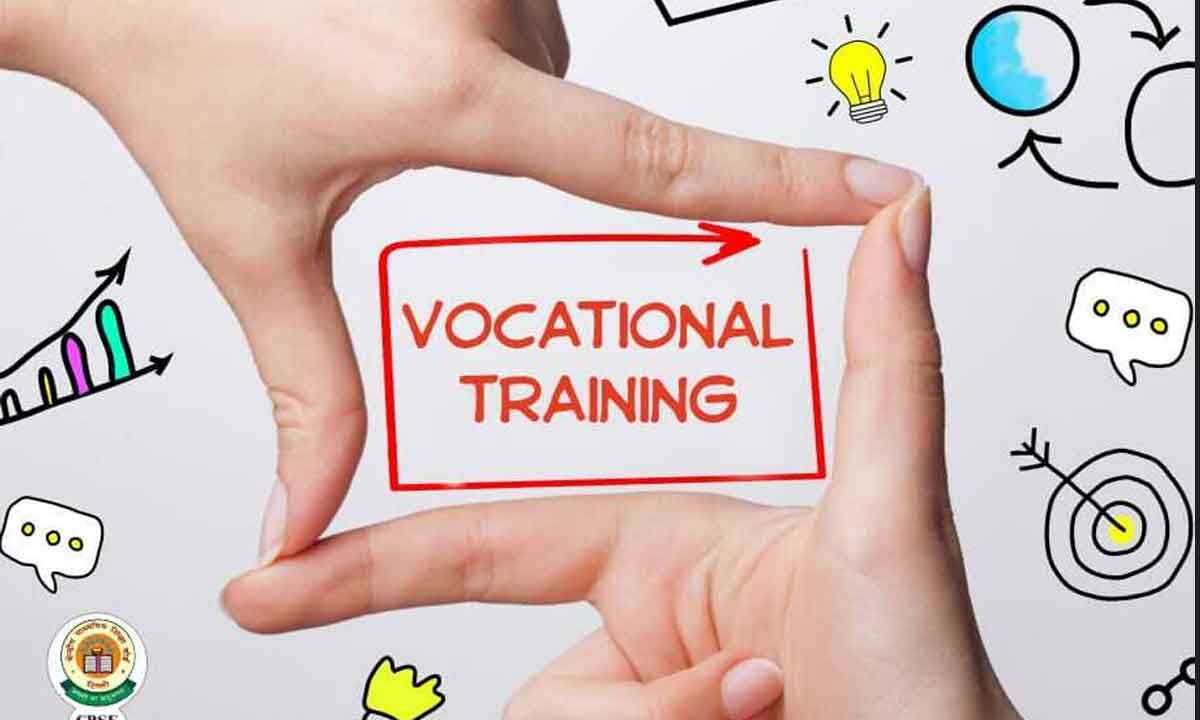
In the ever-evolving landscape of the global economy, the definition of a "successful career" is undergoing a dramatic shift. For decades, a university degree was considered the only golden ticket to a prosperous future. However, today's job market tells a different story—one where vocational education and hands-on training are not just alternatives, but are often the most direct routes to stable, high-demand, and rewarding employment.
Vocational training, often delivered through skill-based programs like those championed by the MES (Modular Employable Skills) framework, focuses on equipping individuals with specific, practical skills tailored to the needs of various industries. Let's delve into why this form of education is more critical now than ever before.
One of the biggest challenges employers face today is the "skills gap"—a disconnect between the skills job seekers possess and the competencies industries actually need. Vocational training is designed to close this gap. By collaborating directly with employers, vocational institutes ensure their curriculum is aligned with real-world requirements, producing job-ready candidates from day one.
Unlike purely theoretical models, vocational education is built on a "learn by doing" philosophy. This approach offers immense benefits:
Faster Mastery: Practical, repetitive tasks in a controlled environment lead to quicker and more durable skill acquisition.
Problem-Solving Skills: Trainees encounter and solve real-world problems, fostering critical thinking and adaptability.
Immediate Applicability: The skills learned on Monday can be applied in a workplace on Tuesday, creating a seamless transition from training to employment.
Possessing a certified, in-demand skill significantly boosts your employability. Fields like advanced manufacturing, renewable energy, healthcare, IT support, construction, and hospitality are constantly seeking qualified technicians, artisans, and specialists. Vocational training provides a targeted credential that makes you a valuable asset to these sectors. Furthermore, it serves as a solid foundation for career advancement, allowing individuals to upskill or specialize as technology and industries evolve.
Vocational education is a powerful tool for economic empowerment. It provides individuals with the means to secure a livelihood quickly and efficiently. Moreover, it doesn't just create job seekers; it creates job creators. Armed with a certified skill in areas like electric vehicle repair, solar panel installation, or graphic design, a graduate is well-equipped to start their own small business and contribute directly to the local economy.
Initiatives like the Modular Employable Skills (MES) scheme under the Skill India mission are revolutionary. They break down skills into smaller, certifiable modules, allowing learners to:
Train for specific, industry-relevant competencies.
Accumulate credits and skills over time.
Choose flexible learning schedules that suit their needs.
This model makes skill development accessible to a wider population, including school dropouts, existing workers seeking to upskill, and women returning to the workforce.
The narrative is changing. Vocational education is no longer a "plan B" but a strategic "plan A" for building a resilient and future-proof career. It represents a practical, efficient, and highly effective form of education that aligns personal ambition with market demand. By embracing hands-on training and skill-based learning, we are not just preparing for a job; we are building the skilled foundation upon which our future economy will thrive.

Share This News